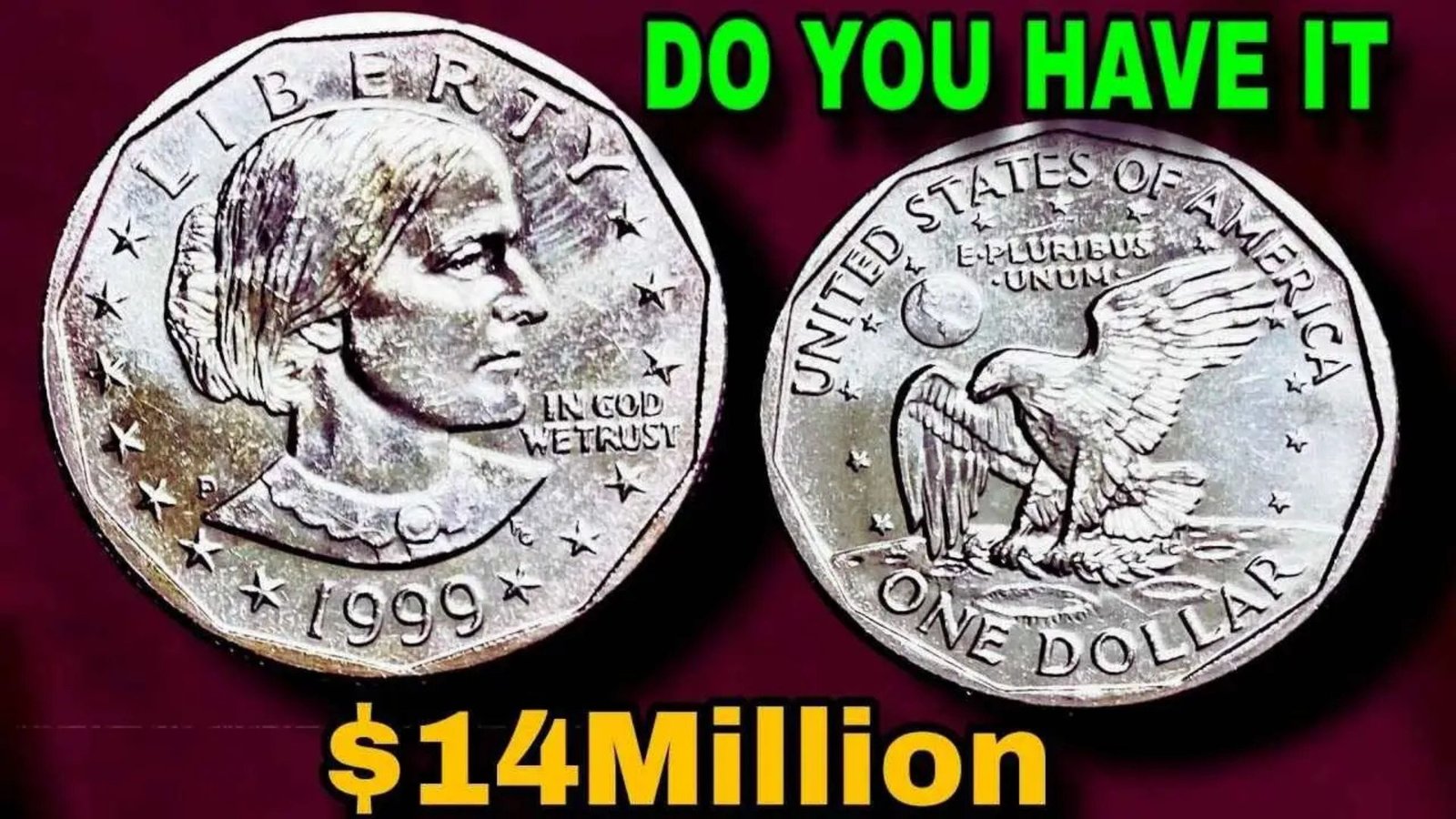
The 1999-P Susan B. Anthony dollar is a modern U.S. coin that surprises many people. Millions were made and used in everyday life near the end of the 1990s, yet collectors still seek high-quality examples today. Its final-year status, clear design, and role as a bridge to the next dollar coin give it lasting interest.
A Final Chapter in the Series
The Susan B. Anthony dollar first appeared in 1979. Production stopped after 1981 because the public preferred paper dollars. By the late 1990s, vending machines and transit systems needed more dollar coins. The U.S. Mint brought the design back for one year only in 1999.
The Philadelphia Mint (marked with a “P”) struck about 29.6 million of these coins. This one-year return made the 1999-P the last circulating Susan B. Anthony dollar before the Sacagawea dollar launched in 2000. It marks a clear transition in American money.
Key points about its place in history:
- Last year of the Susan B. Anthony series
- Produced to meet real demand for dollar coins
- Connects older silver-dollar style designs with newer golden dollars
Why Collectors Notice the 1999-P
Most 1999-P dollars spent in stores are worth only one dollar. The value rises when the coin is uncirculated and sharply struck. Coins graded MS67 or higher become much harder to find and can sell for strong premiums at auction. Top examples in MS68 are rare and command the highest prices.
People who saved bank rolls or mint sets sometimes discover well-preserved pieces. The limited final-year production and the fact that many coins entered heavy circulation help explain why pristine examples stand out.
Design That Honors Progress
This was the first circulating U.S. coin to show a real American woman. The front (obverse) features a portrait of Susan B. Anthony, a leader in the fight for women’s right to vote. The back (reverse) shows the Apollo 11 mission insignia—an eagle landing on the moon—symbolizing American achievement and progress.
The combination of social history and space-age imagery gives the coin cultural weight beyond its face value.
| Feature | Details |
|---|---|
| Year and Mint Mark | 1999-P (Philadelphia) |
| Mintage | About 29.6 million |
| Composition | Copper-nickel clad (no silver) |
| Diameter | 26.5 mm |
| Weight | 8.1 grams |
| Obverse | Portrait of Susan B. Anthony |
| Reverse | Apollo 11 eagle landing design |
| Edge | Reeded |
| Designer | Frank Gasparro |
Current Value Guide
In circulated condition the coin is worth face value ($1). Uncirculated examples usually sell for a few dollars to around $20–$30 in mid grades. Higher grades bring more:
- MS65–MS66: modest premiums
- MS67: often $50–$100 range
- MS68: can reach hundreds or over $1,000 depending on eye appeal and certification
Values change with the market, so checking recent sales from reliable sources is wise. Error coins (off-center strikes or wrong planchets) can be worth significantly more.
Tips for Finding and Protecting Examples
- Check old bank rolls, change jars, or family collections.
- Look for coins with full, sharp details and no heavy scratches or wear.
- Consider professional grading for high-quality pieces.
- Store coins in protective holders away from moisture and air.
Frequently Asked Questions
Is the 1999-P Susan B. Anthony dollar rare?
No. Nearly 30 million were made. Circulated examples are common. Only the highest mint-state grades are scarce.
Does it contain silver?
No. Like earlier Susan B. Anthony dollars, it is copper-nickel clad.
Why was it made only in 1999 after a long gap?
Demand for dollar coins rose again for machines and transit. The Mint needed coins until the Sacagawea dollar was ready in 2000.
How can I tell if mine is valuable?
Examine the condition carefully. Look for mint luster, sharp details, and minimal marks. High grades usually need professional certification to realize top prices.
Is the 1999-P more valuable than the 1999-D?
In the very highest grades the Philadelphia version can bring stronger prices because fewer perfect examples survive, even though more were made overall.
Conclusion
The 1999-P Susan B. Anthony dollar is more than everyday change. It closed an important chapter in U.S. coinage, honored a pioneer of women’s rights, and linked older designs to the modern golden dollar series. While most examples remain worth one dollar, well-preserved high-grade coins continue to attract collectors. Whether you find one in circulation or keep a mint-state piece, this final-year issue offers a simple, affordable entry into modern U.S. coin collecting with genuine historical interest.